
Local SEO is essential for small businesses looking to increase their online presence, attract more customers, and ultimately grow their operations. By focusing on local search engine optimization (SEO) techniques, businesses can enhance visibility, drive local traffic, and establish credibility in their community. Key strategies include optimizing your Google Business Profile, leveraging local keywords, and collecting customer reviews.
Key Takeaways:
- Optimize your Google Business Profile to rank higher in local search results.
- Build a consistent NAP (Name, Address, Phone number) presence across the web to improve local SEO.
- Create engaging content and obtain quality backlinks to further boost your local search performance.
What Is Local SEO and Why Is It Important?
Local SEO is a strategy focused on improving a business’s ranking for geographically specific searches. Whether you run a brick-and-mortar store or an eCommerce platform with a physical presence, local SEO ensures that your business appears in search results when potential customers search for products or services nearby.
For example, if a clothing store in Noida wants to reach local customers, they should optimize for search terms like “fashion stores in Noida” or “clothing stores near me.” This boosts visibility for both in-store visits and online purchases.
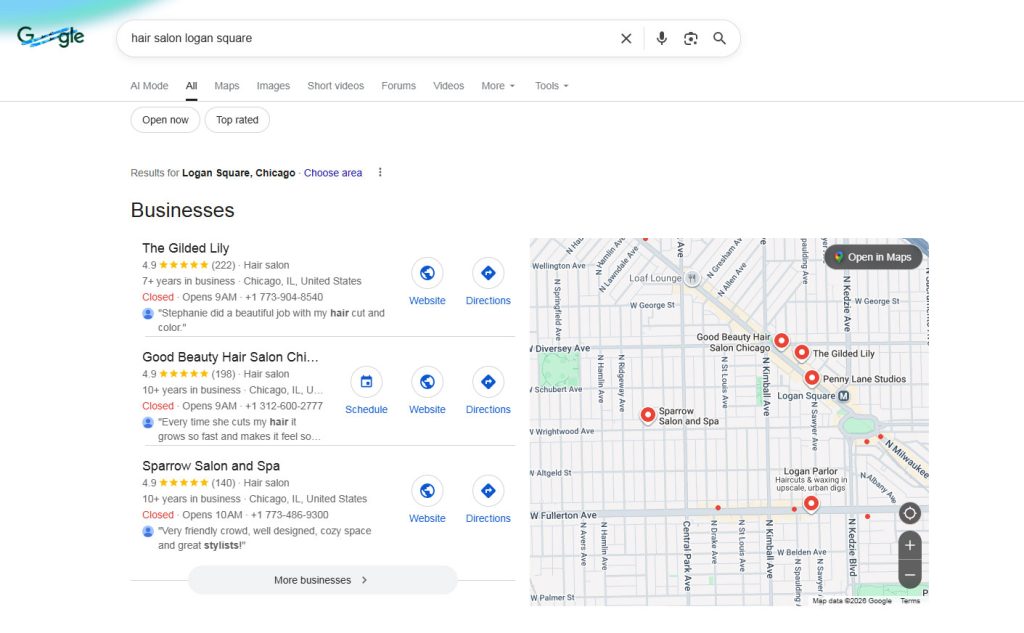
Why Local SEO Matters
Local SEO connects your business directly to customers in your area who are actively searching for what you offer. Here’s how it can benefit your business:
- Increase Foot Traffic
Local SEO targets customers who are ready to visit your store, driving foot traffic. By optimizing for “near me” searches, you can attract more local shoppers. - Enhanced Search Visibility
Optimizing your Google My Business profile and local listings improves your search visibility. The more visible you are, the more likely local customers will find and engage with your business. - Better Local Audience Targeting
Local SEO allows you to focus on customers within your vicinity. This precision increases the likelihood of converting searchers into paying customers. - Build Trust and Credibility
Positive online reviews and effective SEO practices help build your business’s reputation. Trustworthy businesses attract more customers and increase sales. - Mobile Search Optimization
With the majority of local searches happening on mobile devices, ensuring your business is optimized for mobile can capture customers searching on the go.
By now, you should see why local SEO is crucial for small businesses. Let’s dive deeper into how it works.
How Local SEO Works
Local SEO signals to search engines where your business is located and the services you provide. The more accurate and detailed your business information, the better Google can rank your business for local search queries.
When ranking businesses in Google Maps and the local search pack, Google evaluates the following three factors:
- Relevance: How well does your business match the user’s query?
- Distance: How close is your business to the searcher’s location?
- Prominence: How well-known and respected is your business, based on reviews, mentions, and other online factors?
Effective Local SEO Strategies for Your Business
With the increasing reliance on online searches, implementing local SEO strategies is crucial for standing out in the digital landscape. These strategies can significantly enhance your business’s online presence, increase foot traffic, and drive more conversions. Here are the key steps to optimize your local SEO:
1. Research Local Keywords
Using the right local keywords is crucial for ranking in local search results. These keywords reflect what local customers are searching for. If you’re a clothing store in Noida, for instance, you could target keywords like:
- “Clothing store Noida”
- “Buy clothes Noida”
- “Fashion stores near me”
Additionally, long-tail keywords such as “best clothing store for women in Noida” can help you target more specific queries, which often face less competition, making it easier to rank.
Integrating these local keywords throughout your website and content will help Google recognize your business as relevant for specific local searches.
2. Create and Optimize Your Google Business Profile
Your Google Business Profile is one of the most important local SEO tools. A complete and optimized profile helps your business appear in local search results, especially in Google Maps and the Local Pack. In fact, 36% of SEO experts consider it a top-ranking factor.
To create or optimize your Google Business Profile:
- Sign in to your Google account.
- Go to Google My Business and select “Manage now.”
- Fill in your business information, including:
- Business name
- Address
- Phone number
- Website link
- Category
- Follow the steps to verify your business.
Additionally, you can enhance your profile by:
- Adding accurate business hours
- Defining your service area
- Uploading high-quality images
- Encouraging reviews from satisfied customers
A well-maintained Google Business Profile can significantly improve your local visibility.
3. Build Consistent NAP Citations
NAP (Name, Address, Phone Number) consistency is a key factor in improving local search rankings. Ensure that your business details are accurate and consistent across various platforms.
- Use the same NAP details across your website and third-party directories like Yelp, Yellow Pages, and others.
- List your business in local online directories and ensure the information is up-to-date.
- Include NAP details in your social media profiles.
By maintaining consistency, search engines can better identify your business, leading to higher local rankings and improved visibility.
4. Encourage Customer Reviews
Customer reviews are an essential aspect of local SEO. They not only enhance your online reputation but also influence your search rankings. Google and other search engines use reviews as a measure of trust and credibility. Positive reviews can help you stand out in search results and encourage potential customers to choose your business over competitors.
Here’s how you can gather more reviews:
- Encourage happy customers to leave reviews by sharing a direct link to your Google Business Profile or other review platforms.
- Focus on Google reviews, as they are the most impactful for local SEO.
- Respond to reviews (both positive and negative) to show engagement and improve trust with your audience.
- Do not offer incentives for reviews, as this violates Google’s policies and can result in penalties.
For example, a local restaurant in your area might encourage customers to leave reviews about their dining experience. These reviews not only help improve your search rankings but also influence future customers’ purchasing decisions.
5. Create Quality Content and Build Backlinks
Content creation plays a significant role in local SEO. But it’s not just about writing blog posts—it’s about creating high-quality, relevant content that addresses the needs of your local audience. At the same time, acquiring backlinks from reputable sources can further strengthen your SEO efforts.
Here’s how to make the most of content and backlinks:
- Develop local-focused content: Write blog posts, guides, or resources that focus on local events, news, or topics relevant to your industry. For instance, if you’re a local coffee shop, you could write about “The Best Cafes in [City]” or “Top Coffee Trends in [City].”
- Acquire backlinks: Reach out to local blogs, news websites, or other businesses for backlink opportunities. This could include guest blogging, getting listed in local business directories, or asking local event organizers to link to your content.
- Guest blogging: Write guest posts on local blogs or publications and include a link back to your website. This helps you build authority and credibility in your local area.
By creating valuable content and acquiring backlinks from local sources, you’ll boost your website’s authority and relevance for local search queries.
6. Optimize Your On-Page SEO for Local Search
On-page SEO refers to the optimization of elements within your website to make it more visible to search engines. Local on-page SEO ensures that your website is tailored to local searches, helping you rank higher in local search results.
Key steps for optimizing on-page SEO include:
- Use location-based keywords: Incorporate your city or region into titles, headings, and meta descriptions. For example, if you run a hardware store in Brooklyn, use keywords like “Brooklyn hardware store” or “Best hardware store in Brooklyn.”
- Add structured data: Structured data (or schema markup) helps search engines understand your content and display relevant information in local search results, such as your business hours or address.
- Ensure NAP consistency: Include your business’s Name, Address, and Phone number on every page of your website, preferably in the footer, so search engines can easily recognize your location.
- Optimize images: Use descriptive file names and alt text for images that include location keywords.
- Improve mobile responsiveness: Since local searches are often done on mobile devices, make sure your website is mobile-friendly and loads quickly.
By implementing these on-page SEO practices, your website will become more optimized for local search queries, improving your chances of ranking higher in Google.
7. Monitor and Refine Your Local SEO Strategy
Local SEO is not a one-time task—it requires ongoing monitoring and adjustments to ensure it’s effective. Tracking your performance will help you identify which strategies are working and which need improvement.
Key metrics to monitor include:
- Local traffic: Use tools like Google Analytics to track how many visitors are coming from local searches.
- Search rankings: Monitor where your business ranks for local keywords in search engine results pages (SERPs).
- Conversion rates: Track how well local visitors are converting into customers, whether that means making a purchase or contacting your business.
- Customer reviews: Keep an eye on the volume and quality of customer reviews. Respond promptly to any negative feedback.
Analyzing your local SEO efforts regularly allows you to fine-tune your strategy. By identifying which tactics are yielding the best results, you can focus on what works and eliminate what doesn’t. Additionally, regularly monitoring competitors can give you insights into how to further refine your approach and stay ahead.
Conclusion: Maximize Your Local SEO for Greater Success
Investing in local SEO is crucial for increasing your online visibility, attracting more local customers, and growing your business. Whether you’re a small retail store, a service provider, or an eCommerce platform with a physical presence, optimizing for local searches can make a significant difference in your bottom line.
By optimizing your Google Business Profile, using location-specific keywords, building consistent NAP citations, and encouraging customer reviews, you can boost your chances of appearing at the top of local search results. Don’t forget to create high-quality content, acquire backlinks, and monitor your performance to ensure continuous improvement.
If you need help implementing an effective local SEO strategy, we’re here to assist. With proven SEO techniques and customized strategies, your business can achieve higher local rankings, engage more customers, and grow successfully.