When building an eCommerce store, choosing the right platform is a critical decision that can significantly impact your business’s growth and success. In this comparison of Magento vs WooCommerce vs OpenCart, we’ll delve into the strengths, weaknesses, and unique features of each platform, helping you choose the best one for your startup.
What is Magento?
Launched in 2008 by Roy Robin, Magento is a robust, open-source eCommerce platform built on PHP. It offers a highly customizable shopping cart system, providing store owners with extensive control over their site’s design, functionality, and content.
In 2018, Adobe acquired Magento for $1.68 billion, elevating its role in the enterprise eCommerce space. This acquisition allowed Magento to expand its capabilities and further solidify its position as a top choice for large-scale businesses.
Key Features of Magento:
- Catalog Management: From digital products to physical goods, Magento’s catalog management system offers complete flexibility in organizing and selling products.
- Advanced Marketing & Promotion Tools: Features such as cross-selling, coupon management, and promotional pricing are built into Magento, helping businesses grow their reach.
- Order Management: A comprehensive order management system enables easy handling of orders, returns, and inventory, boosting operational efficiency.
- SEO Tools: Magento comes with SEO tools such as Google Sitemap generation, meta-tagging capabilities, and URL rewriting to enhance search engine rankings.
Pros of Magento:
- Scalability: Magento supports massive product inventories and handles high traffic, making it ideal for large enterprises.
- Community Support: Magento has an extensive community of developers and contributors who constantly provide updates, tutorials, and troubleshooting support.
- Mobile Optimization: The platform is mobile-friendly, offering tools for developing a responsive storefront that caters to mobile users.
Cons of Magento:
- Costly: Magento is an expensive platform, especially with the enterprise-level version that can cost upwards of $15,000 annually.
- Complexity: Magento’s setup and customization can be time-consuming, requiring skilled developers to get the site up and running efficiently.
- Hosting Issues: Magento can be resource-intensive, which requires high-performing servers, leading to potential hosting challenges.
Magento Pricing:
- Magento Community: $15,000+ annually
- Magento Commerce: $22,000+
- Magento Commerce Cloud: $40,000+
What is OpenCart?

OpenCart is a free, open-source online store management system released in 1998 by Christopher G. Mann. It’s built on PHP and MySQL databases and is renowned for its simplicity and flexibility.
OpenCart supports a wide variety of eCommerce functions, including multi-store management, user-friendly product cataloging, and an extensive library of plugins.
Key Features of OpenCart:
- Multi-Store Support: OpenCart allows you to manage multiple stores from a single admin panel, making it ideal for businesses that want to expand or cater to various markets.
- SEO-Friendly: With built-in SEO tools like Google Sitemap and SEO-friendly URLs, OpenCart helps improve search engine rankings.
- Extensions & Modules: OpenCart’s vast selection of over 7,000 extensions allows you to easily enhance the functionality of your store.
Pros of OpenCart:
- Cost-Effective: Being free and open-source, OpenCart is an affordable solution for small businesses looking to launch an online store without significant upfront costs.
- Ease of Use: The platform is beginner-friendly, offering straightforward setup and customization processes.
- Fast Performance: OpenCart is known for its fast load times and minimal impact on server resources.
Cons of OpenCart:
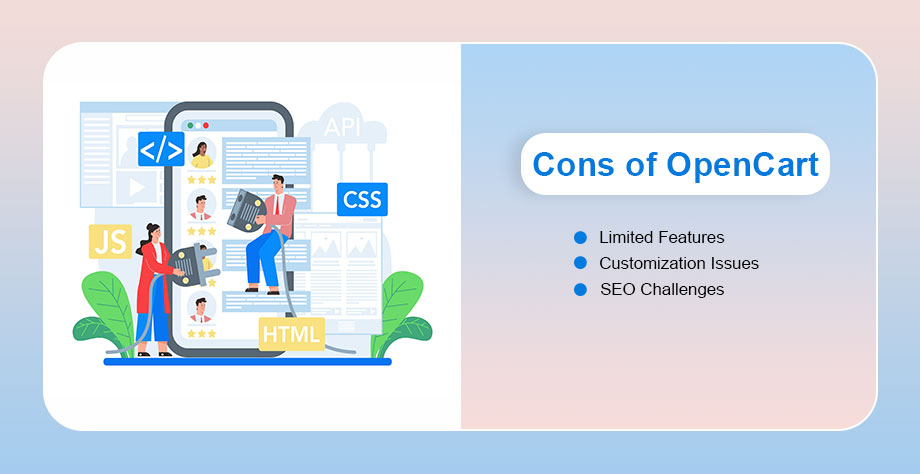
- Limited Features: While OpenCart offers basic eCommerce functionality, it lacks some advanced features found in other platforms like Magento.
- Customization Issues: Customization requires technical knowledge, and users may face difficulties when trying to implement more advanced features.
- SEO Challenges: OpenCart struggles with duplicate content issues that can negatively affect your site’s SEO.
OpenCart Pricing:
- OpenCart itself is free to use. However, additional extensions and plugins can come with a cost, typically around $24 annually for updates.
What is WooCommerce?
WooCommerce is an open-source WordPress plugin that transforms a WordPress website into a fully functional eCommerce store. Launched in 2011, WooCommerce quickly became a favorite due to its ease of use, robust features, and seamless integration with WordPress.
Key Features of WooCommerce:
- Integration with WordPress: Since WooCommerce is built for WordPress, it seamlessly integrates into the WordPress ecosystem, providing excellent content management and SEO capabilities.
- Customizability: WooCommerce supports a wide range of themes, plugins, and extensions, allowing you to customize your store to suit your brand.
- Flexible Payment Options: WooCommerce supports over 100 payment gateways, enabling you to offer a variety of payment methods to your customers.
- Advanced Analytics: WooCommerce provides built-in analytics tools, allowing you to track sales, customer behavior, and other critical metrics to grow your business.
Pros of WooCommerce:
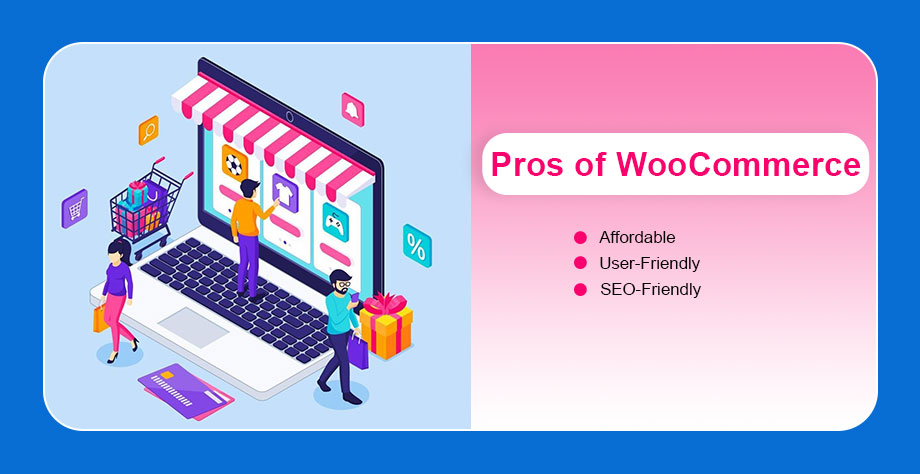
- Affordable: WooCommerce is free to use, with additional costs only for premium themes, plugins, and hosting.
- User-Friendly: WooCommerce’s intuitive interface makes it an excellent choice for beginners looking to build an eCommerce store.
- SEO-Friendly: With WordPress’s powerful SEO features and plugins like Yoast SEO, WooCommerce helps improve your site’s visibility on search engines.
Cons of WooCommerce:
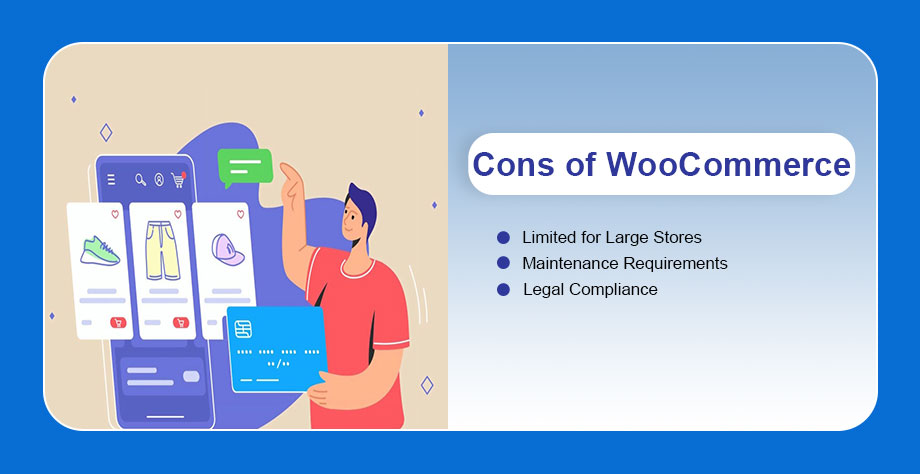
- Limited for Large Stores: WooCommerce is best suited for small to medium-sized stores. For large-scale businesses with vast inventories, WooCommerce may struggle with performance.
- Maintenance Requirements: Regular updates to the WordPress core, themes, and plugins can require attention and lead to compatibility issues.
- Legal Compliance: WooCommerce requires additional plugins to comply with legal requirements in certain regions, such as the German market.
WooCommerce Pricing:
- WooCommerce itself is free, but you’ll need to pay for hosting (around $5–$100 per month), premium themes, and essential plugins (ranging from $25 to $89 annually).
WooCommerce vs Magento vs OpenCart: Which is Best for Your Startup?
When deciding on the right platform for your eCommerce startup, consider your business size, budget, and the features you need.
- Magento is ideal for large-scale businesses that require advanced functionality, scalability, and customization but can manage the higher costs and technical complexities.
- OpenCart is a great choice for small businesses looking for a free, easy-to-use platform with essential eCommerce features and cost-effective scalability.
- WooCommerce is perfect for businesses already using WordPress and looking for an affordable, user-friendly solution with extensive features and customization options.
Conclusion
Each of these platforms—Magento, WooCommerce, and OpenCart—offers unique benefits and challenges. The best choice depends on your business’s needs, technical capabilities, and budget. If you’re just starting out and need an affordable, user-friendly platform, WooCommerce is likely the best choice. For larger businesses with complex needs, Magento offers unparalleled flexibility and scalability. For those looking for a balance of simplicity and customization, OpenCart might be the ideal solution.
Choosing the right eCommerce platform is critical to the long-term success of your business. Make sure to assess your goals, resources, and expertise to find the platform that fits your startup’s needs.