
Choosing the right JavaScript framework for your web or mobile app development is crucial. With so many options available, each offering unique features and benefits, it can be challenging for developers to pick the best one for their project. Frameworks like Angular, React, jQuery, Titanium, and PhoneGap dominate the development space. In this article, we’ll dive into the pros and cons of these frameworks, helping you make an informed decision for your next project.
1. AngularJS 4.0
Angular, developed by Google, is a powerful JavaScript framework that has gained immense popularity over time. With the release of Angular 4.0, its capacity to handle dynamic, large-scale applications has reached new heights.
Pros of AngularJS:
- Comprehensive Documentation: Angular offers detailed and easy-to-follow documentation, which speeds up the learning curve.
- Enhanced Performance: Built-in caching improves server performance.
- Rapid Prototyping: Angular allows for fast prototyping, ideal for quick MVP development.
- Model-View-View (MVVM) Architecture: This ensures a strong application performance foundation.
- Two-way Data Binding: Simplifies data handling between the view and model layers.
Cons of AngularJS:
- Complexity for Beginners: Angular’s hierarchical scope can be difficult to grasp for newcomers.
- JavaScript Requirement: A functional JavaScript environment is essential for accessing Angular-powered apps.
- Large Framework Size: Angular apps tend to be heavier compared to other frameworks, which may affect load time.

2. ReactJS
Created by Facebook, React is another widely used JavaScript library, especially known for its efficiency in building interactive user interfaces. React stands out with its ability to handle SEO well and its user-friendly JSX syntax.
Pros of ReactJS:
- Lightweight: React is one of the lightest frameworks, which enhances app performance.
- Efficient Component Management: It simplifies the process of managing isolated components.
- One-way Data Flow: Ensures predictable behavior, making app maintenance easier.
- Reusable Components: The modular approach allows developers to reuse components, speeding up development.
Cons of ReactJS:
- Re-rendering Issues: Frequent re-rendering can cause performance issues with large datasets.
- Limited Built-in Features: Unlike Angular, React requires additional libraries for routing, state management, and more.
3. jQuery Mobile
jQuery Mobile is an easy-to-use framework focused on building mobile-friendly websites and applications. It’s ideal for developers familiar with HTML5 and CSS3.
Pros of jQuery Mobile:
- Cross-Device Compatibility: Ensures apps work seamlessly on all mobile devices.
- Excellent Third-Party Integration: Easily integrates with various libraries and technologies.
- Simple to Learn: Developers with HTML and CSS experience will find jQuery Mobile easy to pick up.
Cons of jQuery Mobile:
- Performance Issues: It can be sluggish on mobile devices unless optimized properly.
- Basic UI Design: Unless customized, apps can appear generic and may not look great on larger screens.
- Limited Official Documentation: Certain aspects of jQuery Mobile, particularly architecture and advanced JavaScript integration, are not well-documented.
4. Appcelerator Titanium
Titanium is an open-source framework designed for building cross-platform native applications. It’s especially beneficial for developers who prefer a unified coding environment across platforms.
Pros of Titanium:
- Native UI Components: Utilizes native UI components for better performance across different platforms.
- Cross-Platform Compatibility: Developers can use a single codebase to target multiple platforms.
- Free and Open Source: Titanium’s open-source nature allows flexibility and community-driven enhancements.
Cons of Titanium:
- Complex SDK Management: Developers need to manage multiple SDKs locally for different platforms.
- Learning Curve: The Alloy framework, while beneficial, requires training to use effectively.
- Proprietary Technology: Skills learned in Titanium may not easily transfer to other technologies.
5. PhoneGap
PhoneGap, based on Apache Cordova, allows developers to build mobile apps using standard web technologies like JavaScript, HTML5, and CSS3. It bridges the gap between native and web apps by allowing mobile apps to access native device features.
Pros of PhoneGap:
- No Native Language Required: Developers can use web technologies to build native-like mobile apps.
- Wide Platform Support: Works across multiple platforms, including iOS, Android, and Windows Phone.
- Easy Distribution: Apps built with PhoneGap can be distributed through app stores like native apps.
- Extensive Plugin Ecosystem: Access a wide range of plugins to extend the app’s functionality.
Cons of PhoneGap:
- Performance Issues with Heavy Graphics: Performance may degrade if the app uses complex graphics or animations.
- Limited Native Access: While PhoneGap provides access to many native features, some advanced native capabilities might not be available.
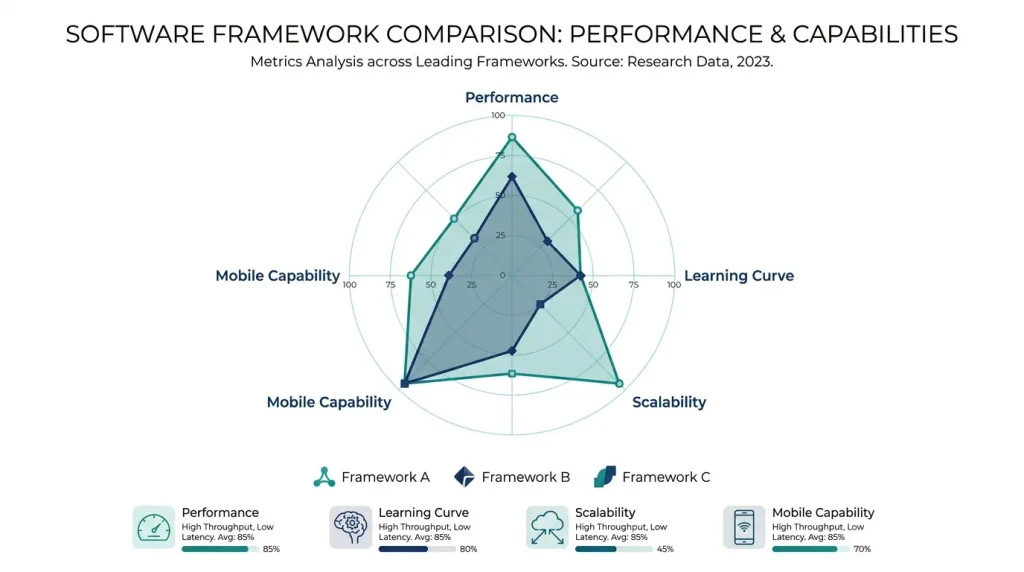
Which Framework is Right for You?
Each of these frameworks has its strengths, but choosing the right one depends on your specific needs and project goals:
- For complex, large-scale applications, Angular may be the best choice due to its robust architecture and extensive features.
- If you prioritize lightweight apps and flexibility, React is an excellent option, especially for high-performance user interfaces.
- For simple mobile-friendly websites and easy integration, jQuery Mobile is a solid choice.
- If you’re building cross-platform native apps, Titanium offers great performance and scalability.
- For hybrid apps that need to access native features without learning new languages, PhoneGap could be the way to go.
Final Thoughts
The decision of whether to use Angular, React, jQuery, Titanium, or PhoneGap ultimately depends on the nature of your app and your development team’s expertise. By understanding the pros and cons of each, you can select the framework that best suits your project’s needs, ensuring a smoother development process and a more successful app.