In 2026, the global software market is more competitive than ever. Speed-to-market is no longer a luxury; it is a survival metric. For enterprise-grade applications, Java remains the undisputed backbone, powering billions of devices and the vast majority of Fortune 500 backends.
However, the challenge for US-based CTOs and product managers isn’t the technology—it’s the talent. With local hiring costs skyrocketing and a persistent shortage of senior engineers, building an in-house team can stall your roadmap by months.
This is where outsourcing Java development bridges the gap. It is no longer just about cost arbitration; it is about accessing a global reservoir of elite engineering talent that can scale on demand.
Whether you are a startup needing an MVP or an enterprise modernizing a legacy monolith, this guide covers everything you need to know about outsourcing Java development in 2026—from vetting partners to comparing hourly rates across top global hubs.
Java – A Market Overview for 2026
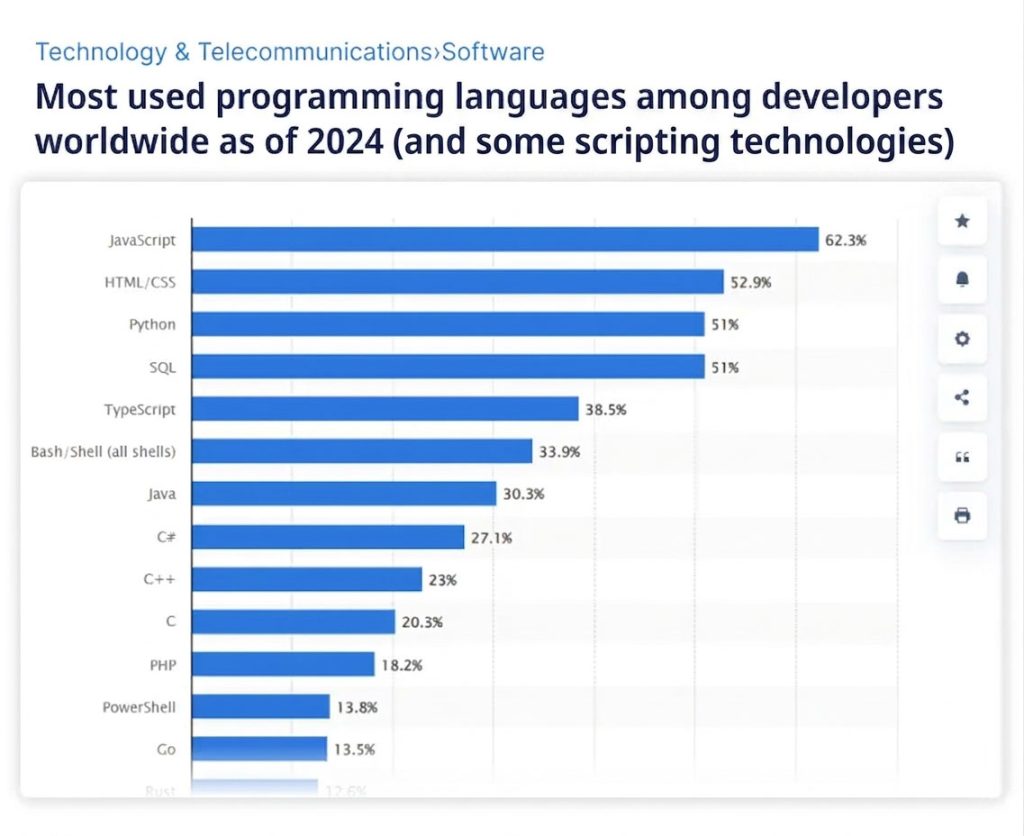
Why are companies still betting big on Java in 2026?
While newer languages rise and fall, Java has evolved. It is no longer just the language of rigid enterprise systems. With the adoption of Spring Boot 3, Quarkus, and GraalVM, Java has become a dominant force in cloud-native microservices and serverless architectures.
- Security & Stability: It remains the most secure option for fintech, healthcare, and large-scale data processing.
- Platform Independence: The “Write Once, Run Anywhere” philosophy is crucial for hybrid cloud environments.
- Talent Availability: Despite the shortage in local US markets, the global pool of Java developers is massive, estimated at over 10 million professionals worldwide.
However, accessing this talent requires a strategic approach. Not every vendor with “Java” on their website can deliver the architectural maturity your project requires.
7 Critical Factors: How to Choose a Java Outsourcing Partner
Finding a vendor is easy. Finding a partner who prevents technical debt is hard. When evaluating potential outsourcing firms, move beyond the sales pitch and audit them using this 7-step framework.
1. Reputation and Digital Footprint
Don’t rely on the testimonials they publish on their own homepage. You need unbiased verification.
- Check Third-Party Platforms: Look at Clutch, GoodFirms, or G2. Read the negative reviews specifically—how did the company respond?
- Ask for References: Request contact info for past clients in your time zone. Ask them: “Did they meet the deadline?” and “How was their code quality?”
- Red Flag: A company with zero digital footprint or a history of “ghosting” clients.
2. Technical Java Expertise (The “Hard” Skills)
You aren’t just hiring coders; you are hiring problem solvers. Does the team specialize in the specific Java stack you need?
- Modern Stack Verification: Ensure they aren’t using outdated frameworks (like Struts). They should be fluent in Spring Boot, Hibernate, Docker, and Kubernetes.
- Certifications: Look for Oracle Certified Professionals or AWS Certified Developers within their team.
- The “Bench” Strength: Do they have senior architects to oversee the juniors? An inexperienced team leads to spaghetti code and costly rework.
3. Portfolio Relevance
A generalist portfolio is okay, but a specialized one is better.
- Similar Complexity: If you are building a high-frequency trading platform, a vendor who has only built e-commerce websites might struggle with concurrency issues.
- Case Studies: Look for “Problem-Solution-Result” case studies. Did they just write code, or did they solve a business problem?
4. Development Process & Methodology
Chaos is the enemy of software delivery. You need a partner who follows a structured, transparent process.
- Agile & Scrum: Do they work in sprints? Will you have access to their Jira or Trello boards?
- CI/CD Implementation: Do they automate testing and deployment? A manual deployment process in 2026 is a major warning sign.
- Communication: Clear, consistent updates are vital. A good process ensures you are never wondering what the team is working on.
5. Team Composition & Stability
Software is built by people, not companies.
- Retention Rates: High employee turnover at the vendor’s side can kill your project’s momentum. Ask about their average employee tenure.
- The “A” Team: Ensure the people pitched to you during the sales call are the actual people working on your project.
- Roles: A healthy team isn’t just developers. It includes QA engineers, UI/UX designers, and a Project Manager (PM) to bridge the gap.
6. Post-Deployment Support
Software isn’t “done” when it launches. Bugs happen; updates are needed.
- SLA (Service Level Agreement): Do they offer guaranteed response times for critical bugs?
- Knowledge Transfer: Will they provide documentation and training so your internal team can eventually take over?
- Long-term Partnership: Look for a vendor interested in a multi-year relationship, not just a “transactional” project.
7. Transparent Pricing Structure
Cost is important, but value is paramount.
- Fixed Price vs. Time & Material: understand the difference. Fixed price is good for small, well-defined scopes. Time & Material (T&M) is better for agile, evolving products.
- Hidden Fees: Clarify costs for overtime, server setup, or proprietary tools.
- The “Too Cheap” Trap: If a quote is 50% lower than everyone else, you will likely pay double in the long run to fix poor code.
Benefits of Outsourcing Java Projects
Why do US companies continue to look abroad? It’s not just about the bottom line.
1. Instant Access to Skilled Resources
Recruiting a senior Java developer in the US can take 3–6 months. An outsourcing partner can spin up a team in 2–4 weeks. You skip the onboarding, benefits setup, and hardware procurement.
2. Focus on Core Business
Your internal team should focus on your “secret sauce”—IP strategy, product roadmap, and customer acquisition. Let the outsourced team handle the heavy lifting of implementation and maintenance.
3. Faster Time-to-Market
With a “follow the sun” model, development can happen 24/7. Your US team specs the features during the day, and the offshore team builds them while you sleep. This continuous delivery cycle dramatically shortens release timelines.
4. Risk Mitigation
A reputable outsourcing firm shares the risk. They are responsible for project delivery, uptime, and personnel management. If a developer leaves their company, it is their job to replace them immediately, not yours.
Where to Outsource Your Java Development? (2026 Top Destinations)
Geography matters. It affects communication, culture, and cost. Here are the top 6 countries for Java outsourcing in 2026.
1. Bangladesh
The Rising Star of South Asia
Bangladesh has rapidly evolved into a preferred destination for high-quality, cost-effective engineering.
- Talent Pool: The country produces thousands of IT graduates annually, with a strong emphasis on STEM education.
- English Proficiency: High. Communication is rarely a barrier.
- Cost Advantage: Bangladesh offers perhaps the most competitive quality-to-price ratio in the world. You get enterprise-grade code at rates significantly lower than Eastern Europe.
- Government Support: The Bangladeshi government heavily subsidizes the IT sector, ensuring stable infrastructure and favorable business laws.
- XCEEDBD Insight: As a hub for modern development, Bangladesh is ideal for companies looking to stretch their budget without compromising on the tech stack.
2. India
The Established Giant
India remains the world’s largest outsourcing hub.
- Scale: Unmatched. If you need 500 Java developers tomorrow, India is the only place that can scale that fast.
- Maturity: Indian firms have decades of experience working with Fortune 500s.
- Flexibility: Massive ecosystem of vendors ranging from boutique shops to giants like Infosys and TCS.
3. China
High Tech & Speed
China is a powerhouse for advanced technology, particularly in AI and mobile integration.
- Work Ethic: Known for fast turnaround times.
- Technology: deeply integrated with modern tech stacks.
- Consideration: Language barriers and time zone differences can be steeper compared to other regions.
4. Philippines
Cultural Affinity & Communication
The Philippines is famous for its Western cultural alignment.
- Communication: Exceptional English skills (often native-level).
- Cultural Fit: Work culture closely mirrors the US, making integration into US teams seamless.
- Cost: Very competitive, particularly for mid-level development and QA roles.
5. Poland
The European Standard
Poland is the go-to hub for Western Europe and US companies needing complex algorithmic work.
- Quality: Polish developers consistently rank near the top in HackerRank and other coding challenges.
- Time Zone: Central European Time allows for substantial overlap with US East Coast mornings.
- Cost: Higher than Asia, but lower than Western Europe.
6. Brazil
The Nearshore Option
For US companies, Brazil offers the ultimate time zone advantage.
- Time Zone: Aligned with US EST/CST. Real-time collaboration is easy.
- Tech Stack: Strong community in Java and mobile technologies.
- Agile Readiness: The time overlap makes Agile/Scrum ceremonies easy to conduct without anyone working late nights.
Cost to Outsource Java Development (2026 Rates)
Cost varies wildly based on seniority, engagement model (Freelance vs. Agency), and project complexity. Below is a comparative table of average hourly rates for Agency-based Java Developers in 2026.
| Country | Average Hourly Rate (USD) | Best For |
| Bangladesh | $15 – $50 | Startups, Scale-ups, High ROI Projects |
| India | $20 – $50 | Large Scale Enterprise Teams |
| China | $30 – $50 | Hardware Integration, AI Projects |
| Philippines | $25 – $40 | Staff Augmentation, QA, Maintenance |
| Poland | $30 – $60 | Complex Algorithms, Fintech |
| Brazil | $25 – $55 | Nearshore Real-time Collaboration |
Note on Pricing:
- Junior Devs: Handle basic coding, bug fixes. Lower end of the range.
- Senior Architects: Design systems, manage security. Higher end of the range.
- The “Hidden” Cost: Remember to factor in management time. A cheaper rate might require more hours of your oversight.
Conclusion
Outsourcing Java development in 2026 is a strategic lever that allows businesses to optimize costs, access top-tier global talent, and accelerate project timelines. The question is no longer if you should outsource, but who you should partner with.
Whether you choose the rapid growth potential of Bangladesh, the scale of India, or the nearshore convenience of Brazil, success comes down to vetting. Prioritize transparency, communication, and technical excellence over the lowest hourly bid.
Ready to Scale Your Java Team?
At XCEEDBD, we specialize in providing high-performance Java development teams tailored to your business needs. We combine the cost advantages of Bangladesh with world-class engineering standards.
Connect With Us Today
Request a Quote. Have a spec ready? Send it over for a detailed time and cost estimation. [Get a Quote]
Frequently Asked Questions (FAQ)
1. Is outsourcing Java development safe for my Intellectual Property (IP)?
Yes, provided you sign a strict NDA (Non-Disclosure Agreement) and an MSA (Master Services Agreement) that explicitly states you own all code produced. Reputable agencies like XCEEDBD prioritize IP protection as a core business value.
2. How do I manage an outsourced team in a different time zone?
Use asynchronous communication tools like Slack, Jira, and Loom. Establish a 2-hour “overlap window” where both teams are online for stand-up meetings to resolve blockers.
3. What is the minimum team size I can hire?
Most agencies offer flexibility. You can start with a single dedicated developer (Staff Augmentation) or hire a full cross-functional squad (Project Manager, QA, Designers, Developers).
4. Can I interview the developers before hiring?
Absolutely. Any reputable outsourcing partner will encourage you to interview candidates. You should conduct technical tests to ensure they meet your standards.
5. Why is Java still used in 2026 compared to Python or Node.js?
Java offers superior multi-threading capabilities, security, and stability for large-scale enterprise systems. While Python is great for AI and Node.js for real-time apps, Java remains the king of reliable backend architecture.
6. What happens if I am not satisfied with a developer’s performance?
In a managed services model, the agency is responsible for replacing underperforming talent immediately at no extra cost to you, ensuring the project timeline isn’t affected.