Starting an online business is about more than just having a great product or a sleek website. It starts with a fundamental structural decision: What is your eCommerce business model?
Your business model is the bedrock of your operation. It dictates who your customers are, how you deliver value, your pricing structure, and—crucially—how you market your brand. A strategy that sends sales skyrocketing for a fashion retailer (B2C) will likely fall flat for a cloud software provider (B2B).
Whether you are launching a new startup or looking to refine an existing digital strategy, understanding the nuances of these models is non-negotiable.
In this comprehensive guide, we will dissect the six primary eCommerce business models, explore real-world examples, and provide tailored marketing strategies to help you succeed in the competitive digital landscape.
What is an eCommerce Business Model?
At its core, an eCommerce business model is the conceptual structure that supports the viability of your business. It explains how your company operates, how it creates value, and, most importantly, how it generates revenue.
While a business plan outlines your detailed roadmap, the business model defines the mechanism of the business itself. It answers three critical questions:
- Who are you selling to?
- What value are you providing?
- How do you monetize that value?
Understanding your model helps clarify your customer value proposition, supply chain logistics, and pricing strategy. It transforms a vague idea into a functional, profitable system.
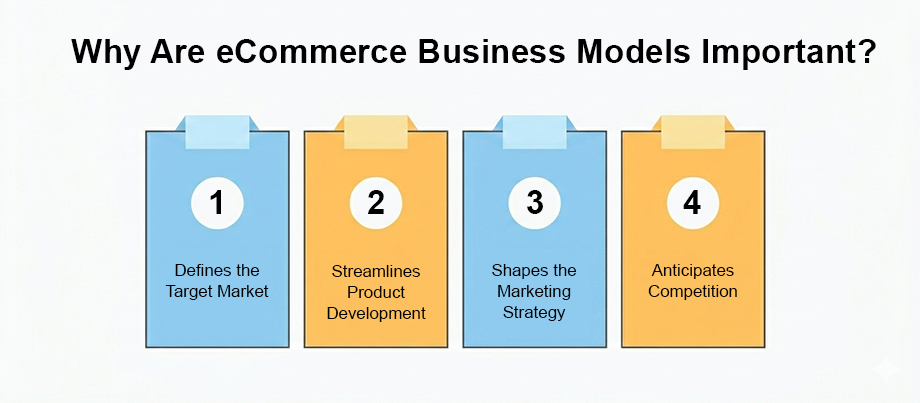
Why Are eCommerce Business Models Important?
Skipping the “model definition” phase is a common mistake that leads to wasted ad spend and confused branding. Defining your model early allows you to verify key business assumptions before you invest heavily.
Here is why clarifying your model is crucial for long-term success:
1. Defines the Target Market
Your model dictates your audience. Knowing if you are speaking to a budget-conscious college student or a procurement officer at a Fortune 500 company changes everything—from your brand voice to your website design. It helps you zero in on the specific pain points your product solves.
2. Streamlines Product Development
When you have a clear model, product development becomes transparent. You stop building features that “seem cool” and start building features your specific customer type actually needs. It ensures your resources are focused on high-impact activities.
3. Shapes the Marketing Strategy
This is perhaps the most significant benefit. Your business model effectively writes your marketing strategy for you. It tells you whether you need to focus on building emotional connections (B2C) or nurturing long-term professional relationships (B2B). It guides your choice of platforms, content types, and advertising channels.
4. Anticipates Competition
Every model comes with its own competitive landscape. By identifying your niche, you can analyze direct competitors, understand their strengths and weaknesses, and carve out a unique position in the market.
The 6 Types of eCommerce Business Models (And How to Market Them)
To build a successful digital presence, you must understand how your business connects with consumers, other businesses, or government entities.
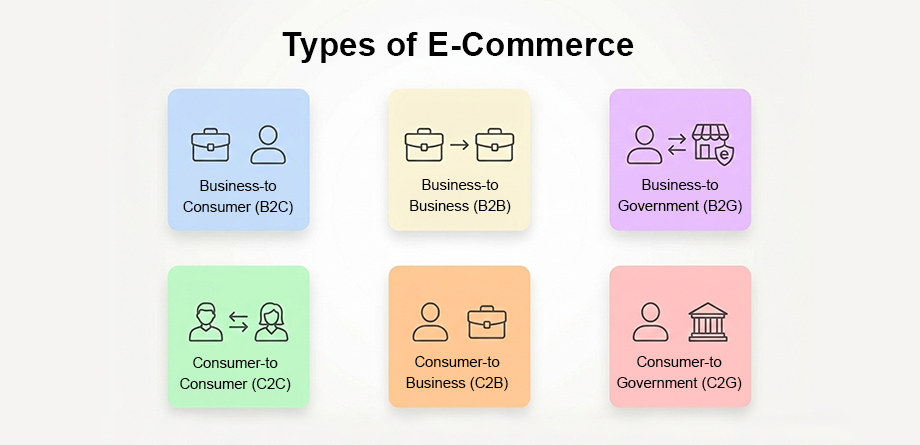
Let’s dive deep into the six major classifications of eCommerce models.
1. Business-to-Consumer (B2C)
The Business-to-Consumer (B2C) model is what most people imagine when they hear “eCommerce.” It involves businesses selling goods or services directly to individual end-users.
This is the most common model, encompassing everything from massive online retailers to boutique brands. The sales cycle is typically short, and decision-making is often emotional or need-based rather than logical or committee-based.
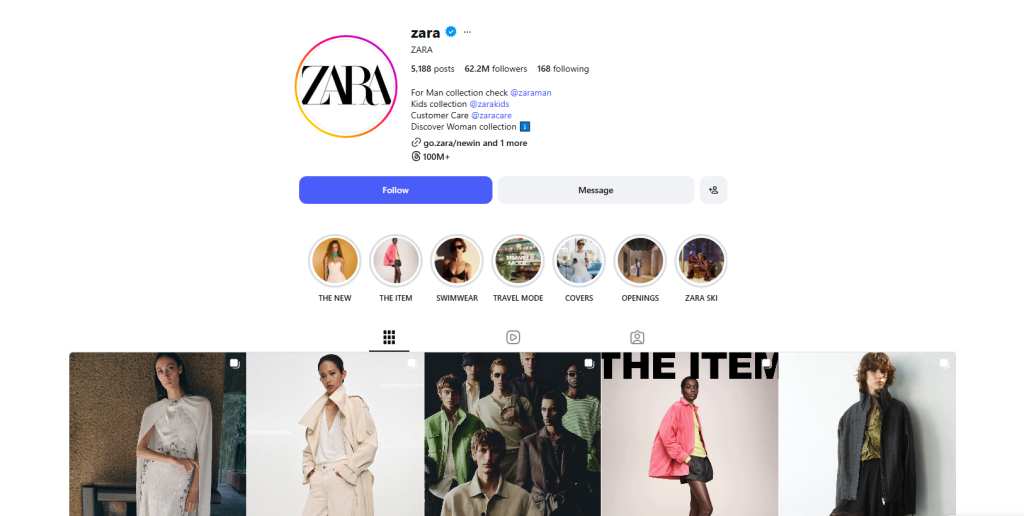
Real-World Example: Zara is a prime example of a B2C giant. They sell apparel directly to individuals through their website. Customers browse collections, select items for personal use, and check out immediately. Amazon is another dominance B2C player (though they also operate in other models), serving millions of individuals daily.
Marketing Strategy for B2C Models
Because the B2C market is crowded, standing out requires building a strong brand identity and reducing friction in the buying process.
- Social Media Advertising: Platforms like Instagram, TikTok, and Facebook are essential. B2C thrives on visual appeal. Use targeted ads to put your products in front of specific demographics based on interests and behaviors.
- Influencer Marketing: Partner with influencers who resonate with your target niche. Their endorsement acts as “social proof,” which is a powerful driver for consumer purchasing decisions.
- Personalized Email Marketing: Don’t just send generic blasts. Use purchase history and browsing data to send personalized product recommendations, abandoned cart reminders, and exclusive birthday discounts.
- Search Engine Optimization (SEO): B2C consumers often start with a Google search. Optimize your product pages with high-volume, transactional keywords (e.g., “buy running shoes online”) to ensure your products are discoverable.
- Focus on Customer Experience (CX): In B2C, convenience is king. Ensure your site loads fast, is mobile-responsive, and offers a seamless checkout process.
2. Business-to-Business (B2B)
In the Business-to-Business (B2B) model, a company sells goods or services to another company. The end consumer is a business entity, not an individual.
Transactions in B2B are characterized by higher order values, recurring purchases, and longer sales cycles. The decision-making process involves multiple stakeholders (managers, finance teams, executives), meaning the “sale” relies on logic, ROI, and efficiency rather than impulse.
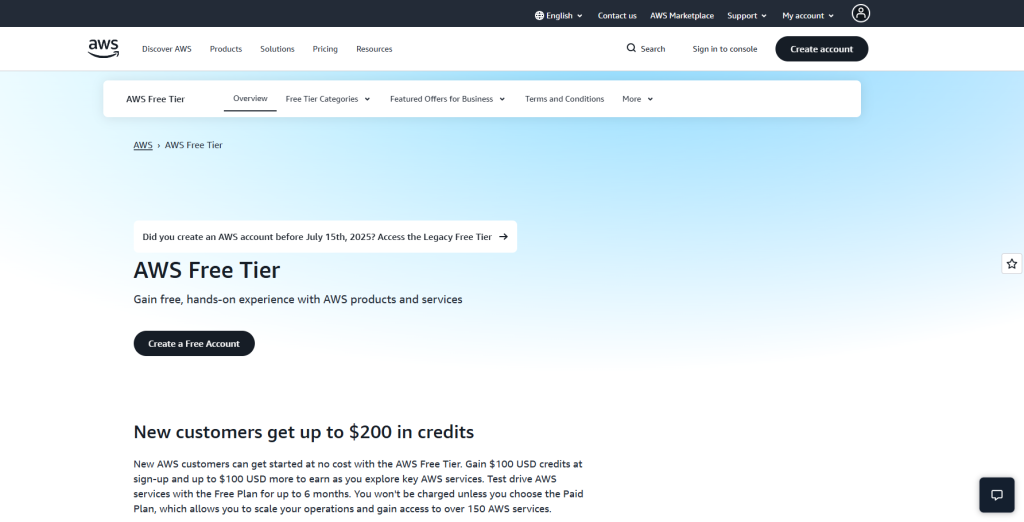
Real-World Example: Amazon Web Services (AWS) is a classic B2B example. While Amazon.com is B2C, AWS sells cloud computing, storage, and database services to other corporations like Netflix, GE, and startups. Another example is Alibaba, which connects manufacturers with wholesalers and retailers.
Marketing Strategy for B2B Models
B2B marketing is about education, trust, and relationship building.
- Content Marketing & Thought Leadership: B2B buyers conduct extensive research. Publish white papers, case studies, and in-depth blog posts that solve complex industry problems. Position your brand as an expert authority.
- Account-Based Marketing (ABM): Instead of casting a wide net, target specific high-value accounts. Create personalized campaigns tailored to the specific needs of a single company you want to land as a client.
- LinkedIn Marketing: This is the primary social channel for B2B. Use it to network with decision-makers, share industry insights, and run sponsored content targeting specific job titles (e.g., “CTOs” or “Procurement Managers”).
- Email Drip Campaigns: Since sales cycles are long, use automated email sequences to nurture leads. Provide value over time—educational webinars, free templates, or industry reports—to keep your brand top-of-mind until they are ready to buy.
- Performance Marketing: Use data analytics to track the lifetime value (LTV) of enterprise clients and optimize your ad spend toward acquiring high-retention customers.
3. Business-to-Government (B2G)
The Business-to-Government (B2G) model involves private businesses selling goods, services, or information to government agencies at the federal, state, or local levels.
This sector is massive but often overlooked by casual entrepreneurs. It can include everything from a construction firm repairing roads to an IT company providing cybersecurity software for a city council.
Real-World Example: IBM frequently operates in the B2G space, providing data management solutions to federal agencies. Another example would be a small business supplying office furniture to a local school district.
Note: B2G relies heavily on the “RFP” (Request for Proposal) process. Government agencies publish their needs, and businesses bid for the contract.
Marketing Strategy for B2G Models
Marketing to the government is vastly different from B2C or B2B. It requires patience and strict compliance.
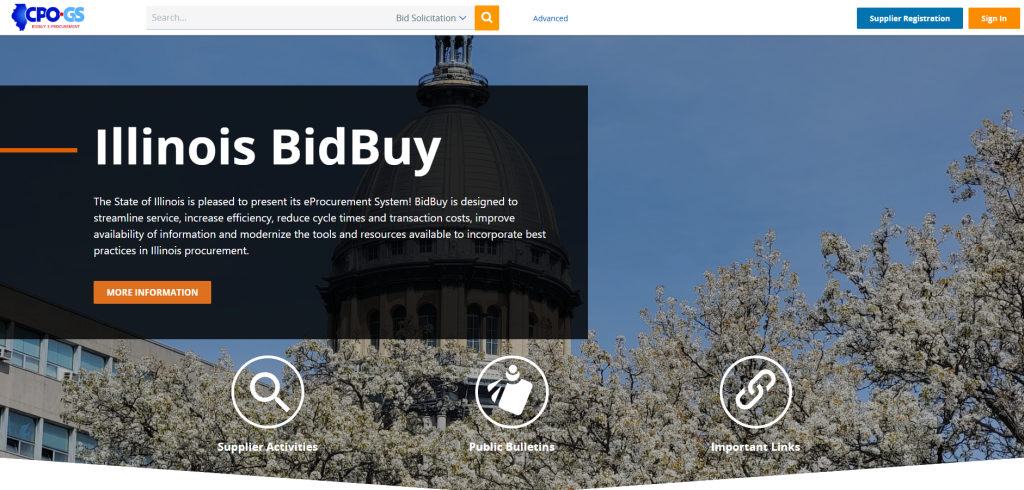
- Register on Procurement Portals: Visibility is the first step. Register your firm with federal databases like SAM.gov (System for Award Management) or state-specific portals like Illinois BidBuy.
- Highlight Compliance and Certifications: Government agencies are risk-averse. Your marketing materials must emphasize your stability, security compliances (like SOC2 or HIPAA), and relevant certifications (e.g., Veteran-Owned, Minority-Owned, or Small Business Administration certifications).
- Relationship Building: Networking is vital. Attend government-focused trade shows and agency industry days. Build relationships with contracting officers before a bid is even released.
- Content for Decision Makers: Create capabilities statements (a one-page resume for your business) that clearly outline your past performance and core competencies.
- Resilience and Patience: Be prepared for long procurement timelines. Your marketing strategy should focus on brand durability and staying power.
4. Consumer-to-Consumer (C2C)
The Consumer-to-Consumer (C2C) model facilitates commerce between private individuals. This usually happens on a third-party platform that acts as the intermediary, handling the transaction details and providing a layer of trust.
This model has exploded with the gig economy and the rise of the “recommerce” (resale) market. It allows people to monetize their assets, skills, or used goods.
Real-World Example: eBay and Etsy are the pioneers here. However, OLX and Craigslist are also prime examples. On OLX, a user lists a used camera, and another user buys it. The platform doesn’t own the product; it just connects the two people. Unlike B2C, margins can be lower, but the volume of transactions is often high.
Marketing Strategy for C2C Models (For Platform Owners)
If you are running a C2C platform, your “customer” is actually two distinct groups: the buyers and the sellers. You must market to both.
- Hyper-Local SEO: Many C2C transactions are local (e.g., selling furniture). Optimize your platform for local search terms (e.g., “used cars in Chicago”) to drive relevant traffic.
- Trust and Safety Features: The biggest barrier in C2C is trust. Market your safety features—verified user badges, secure payment gateways, and robust review systems. These features are your strongest marketing assets.
- User-Generated Content (UGC): Encourage users to share their “success stories” or “great finds” on social media. A viral story about a vintage find on your platform is gold.
- Freemium Models: Platforms like OLX grew by offering free listings to attract liquidity (inventory). Once the user base is massive, you can introduce premium features (like “featured ads”) for monetization.
- Community Building: Foster a sense of community. Forums and discussion boards can keep users engaged on your platform even when they aren’t actively buying or selling.
5. Consumer-to-Business (C2B)
The Consumer-to-Business (C2B) model flips the traditional script. Here, individuals sell goods or services to businesses.
This model is the backbone of the creator economy and freelance revolution. Businesses are no longer just suppliers; they are customers of individual talent and data.
Real-World Example: Upwork and Fiverr are classic C2B platforms. A freelance graphic designer (Consumer) sells their skills to a tech company (Business). Another example is Shutterstock, where photographers upload images that marketing agencies purchase. Influencer marketing is also a form of C2B—an influencer sells their audience access to a brand.
Marketing Strategy for C2B Models (For the Individual)
If you are the “Consumer” selling to businesses, you need to market yourself as a professional entity.
- Personal Branding: Your name is your business. Optimize your LinkedIn profile and personal website. Showcase your expertise through a polished portfolio.
- SEO for Services: If you are a freelancer, use keywords that businesses search for (e.g., “freelance React developer” or “corporate photographer”).
- Social Proof and Reviews: Testimonials are your currency. actively request reviews from past clients and display them prominently.
- Content Marketing: Write articles or create videos that demonstrate your expertise. If you are a consultant, write about industry trends to attract business clients.
- Platform Optimization: If you rely on Upwork or Shutterstock, learn their internal algorithms. Use the right tags, high-quality thumbnails, and keyword-rich descriptions to appear in search results within the platform.
6. Consumer-to-Government (C2G)
The Consumer-to-Government (C2G) model involves individuals interacting with the government, usually via transactions for public services.
While it is less of a “for-profit” model for the consumer, it is a critical sector for businesses that build the systems facilitating these transactions. It involves citizens paying taxes, renewing licenses, or paying tuition to public universities.
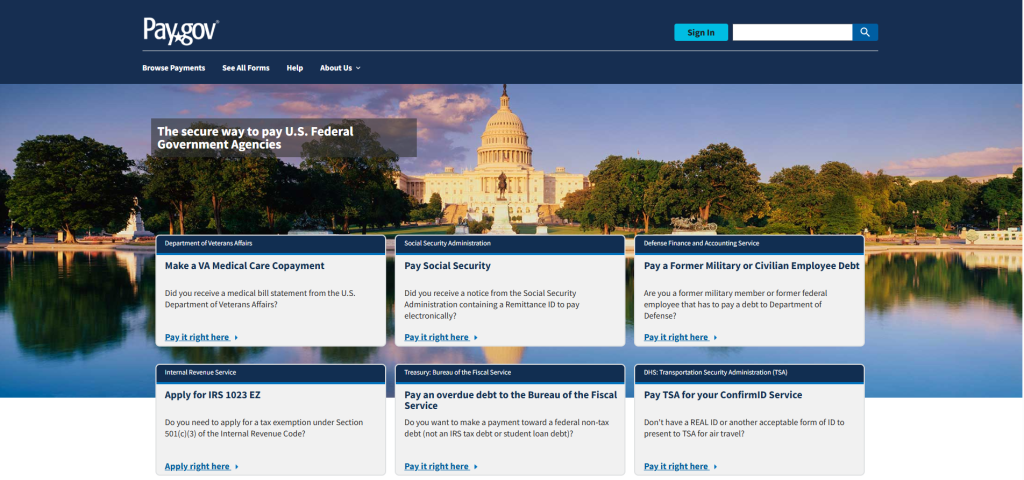
Real-World Example: Online portals for filing tax returns, paying parking tickets, or renewing driver’s licenses. While the citizen is the “consumer,” the software facilitating this experience is often built by private companies maximizing the C2G interaction.
Marketing Strategy for C2G (For Facilitators)
If you are building solutions for the C2G space, your goal is adoption and ease of use.
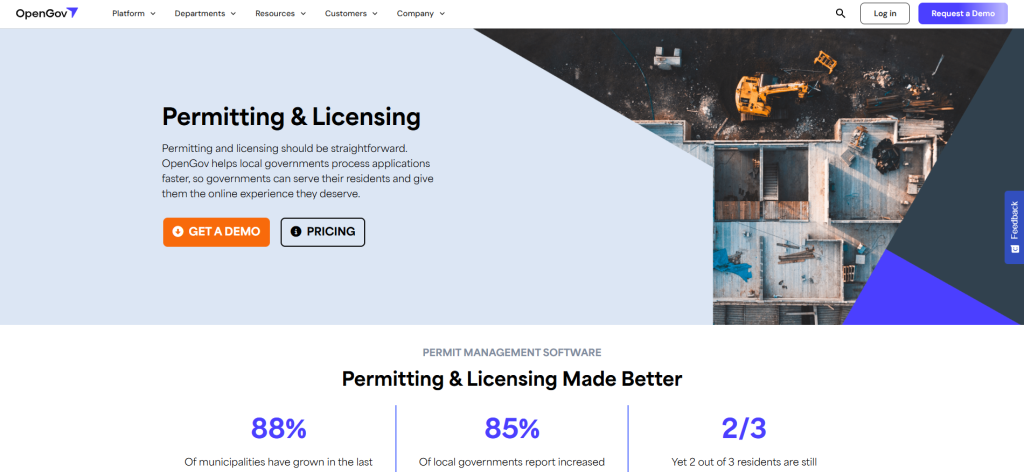
- Accessibility and Usability: Government services must be accessible to everyone (ADA compliance). Market the simplicity and user-friendliness of your portal.
- Education and Awareness: Many citizens don’t know online options exist. Use social media and local press to inform the public that they can “Skip the line” by using your online service.
- Data Security: Trust is paramount. Highlight your encryption standards and data privacy policies in every communication to reassure citizens their personal data is safe.
- Partnerships: Collaborate with local government offices to have them promote the digital tools on their official channels.
How to Choose the Right eCommerce Business Model?
Selecting the right model isn’t just a multiple-choice question; it’s a strategic decision that influences your logistics, cash flow, and growth potential.
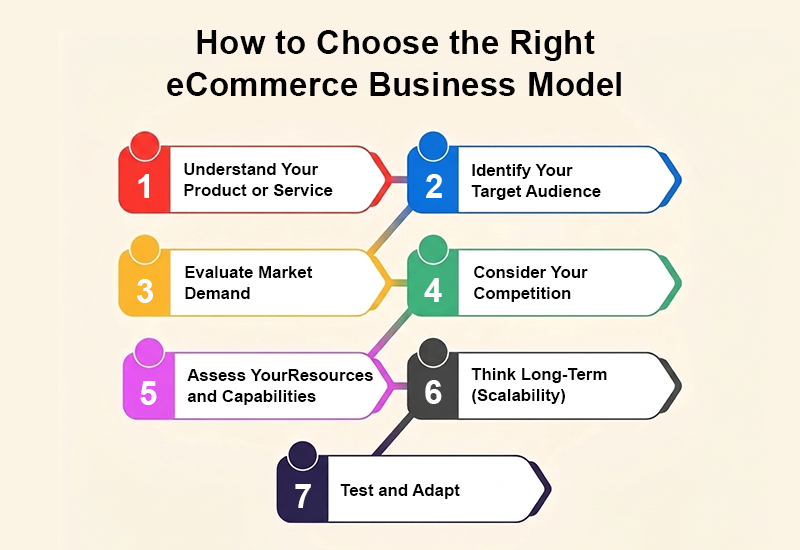
Follow these seven steps to identify the perfect fit for your vision.
1. Understand Your Product or Service
What are you actually selling? High-end, handcrafted jewelry usually thrives in a B2C model where emotion drives the sale. However, if you are selling bulk raw materials for making jewelry, a B2B model is the logical choice. Software can often be both—sold to individuals (B2C) or enterprises (B2B).
2. Identify Your Target Audience
Who is the end-user?
- Individuals: Go B2C.
- Companies: Go B2B.
- Government Agencies: Go B2G.
- Other Peers: Go C2C. Understanding who has the problem you are solving will dictate the model.
3. Evaluate Market Demand
Don’t guess; validate. Conduct market research to see where the demand lies. You might find that while the consumer market for your coffee beans is saturated (B2C), local offices are desperate for a reliable coffee delivery service (B2B). Pivot your model to where the hunger is.
4. Consider Your Competition
Analyze the incumbents in your chosen space.
- If the B2C space is dominated by Amazon and Walmart, can you compete on price? Probably not.
- Perhaps you can compete on specialization or choose a C2B angle by consulting on the product instead of selling it. Look for gaps in the market where current models are failing customers.
5. Assess Your Resources and Capabilities
Be honest about what you have.
- B2C often requires heavy investment in inventory, warehousing, and rapid logistics.
- B2B might require less inventory but a more expensive, skilled sales team.
- B2G requires administrative capacity to handle complex paperwork. Choose a model that aligns with your current capital and skill set.
6. Think Long-Term (Scalability)
Where do you want to be in 5 years? Some models scale easier than others. A consulting business (C2B) is hard to scale because it relies on your time. A dropshipping store (B2C) or a SaaS platform (B2B) scales more easily because software or third-party logistics handle the volume.
7. Test and Adapt
You are not married to your model forever. Many businesses start as B2C to build a brand and then launch a B2B arm once they have established credibility. Be willing to experiment. Launch a Minimum Viable Product (MVP), gather data, and pivot if the market tells you to.
Conclusion
The digital economy is vast, and there is no “one-size-fits-all” approach to success. Whether you are selling fashion to teenagers (B2C), cloud storage to corporations (B2B), or freelance coding skills to startups (C2B), the key is alignment.
Your eCommerce business model must align with your product, your resources, and your market’s needs.
By understanding the unique mechanics and marketing strategies of these six models, you can stop guessing and start building a strategy that delivers real growth. The market is evolving—ensure your business model is built to evolve with it.
Ready to Scale Your eCommerce Business?
Choosing the model is just the first step. Building the platform and marketing it to the world is where the real work begins.
For Startups & SMBs: At XceedBD, we specialize in turning business concepts into digital realities. Whether you need a robust B2B portal or a high-converting B2C online store, our development team can build it.
[Contact XceedBD Today to Discuss Your Project]
Frequently Asked Questions (FAQ)
1. Which eCommerce business model is the most profitable?
There is no single “most profitable” model, as it depends on your industry. However, B2B eCommerce often has higher average order values and higher customer lifetime value (LTV) compared to B2C. Conversely, B2C can offer faster sales cycles and broader market reach.
2. Can a business use more than one eCommerce model?
Absolutely. Many successful companies use a hybrid approach. For example, a coffee roaster might sell bags of coffee to individuals (B2C) while also supplying local cafes and offices with bulk orders (B2B). This diversifies revenue streams and reduces risk.
3. What is the difference between C2C and P2P?
They are essentially the same. C2C stands for “Consumer-to-Consumer,” while P2P stands for “Peer-to-Peer.” Both refer to transactions between individuals, usually facilitated by a platform like eBay, Airbnb, or Uber.
4. Is dropshipping a business model?
Technically, dropshipping is a fulfillment method, not a business model itself. It is usually applied within a B2C business model, where the merchant sells to consumers but a third-party supplier handles the shipping.
5. How do I start a B2G business?
Starting a B2G business requires registering with government procurement sites (like SAM.gov in the US). You must then search for “Requests for Proposals” (RFPs) that match your services and submit compliant bids. It often helps to start as a subcontractor to a larger prime contractor to build past performance.
6. What is the biggest challenge in B2B eCommerce?
The biggest challenge is often the complexity of the buying process. Unlike B2C, where a user clicks “buy,” B2B purchases often require price negotiation, bulk discounts, invoicing, and approval workflows. Your eCommerce platform must be technically capable of handling these custom requirements.